Put Black love into practice.
To tackle challenges facing Black men and boys — from social injustice to behavioral health — through culturally-affirming community, dialogue, and care.
For more than three decades, Black Men's Xchange has convened brothers across identity, geography, and generation — building rituals of care, spaces for accountability, and platforms for Black male self-definition.
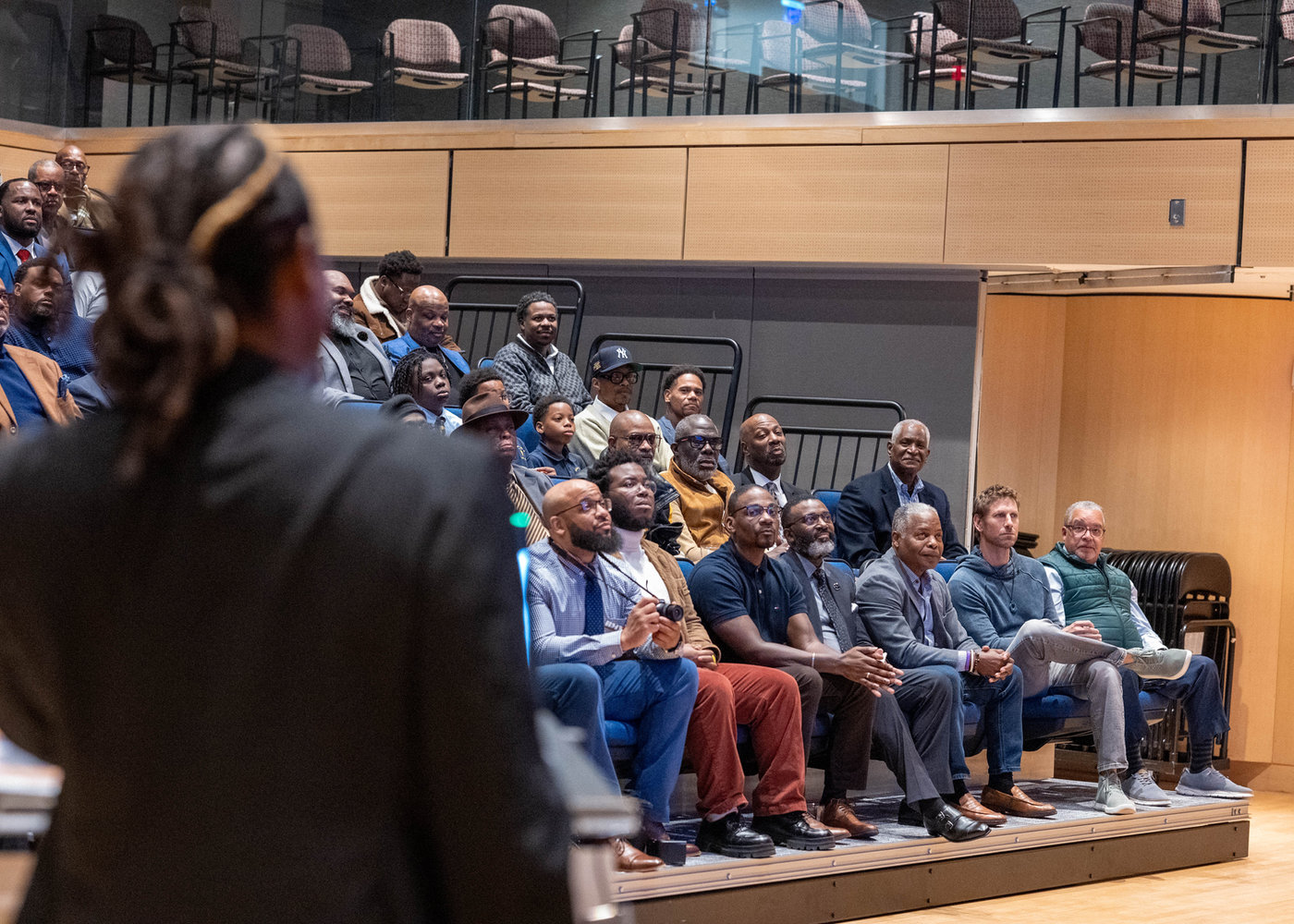
BMX was founded to create a home where Black men could arrive whole — free from pathology, policing, and prescription. What began as a small circle of dialogue in Los Angeles has grown into a national movement grounded in the CTCA framework: Critical Thinking & Cultural Affirmation.
Founder and social architect Dr. Cleo Manago set out to build a space that centered Black male self-definition — not as reaction to what others say we are, but as declaration of what we know ourselves to be.
Dr. Cleo Manago convenes the first Xchange in Los Angeles.
Critical Thinking & Cultural Affirmation formalized as method.
Chapters and programs replicated across the country.
Wellness, mentoring, and cultural work in community.
A clear north star for the work — and a shared vocabulary for the brotherhood we're building.
To tackle challenges facing Black men and boys — from social injustice to behavioral health — through culturally-affirming community, dialogue, and care.
A future in which Black men and boys define themselves on their own terms — where wellness, identity, and leadership flourish across every generation.
Healing, culture, brotherhood, authenticity, critical thinking, self-determination, leadership, justice, love & respect, and unity through diversity.
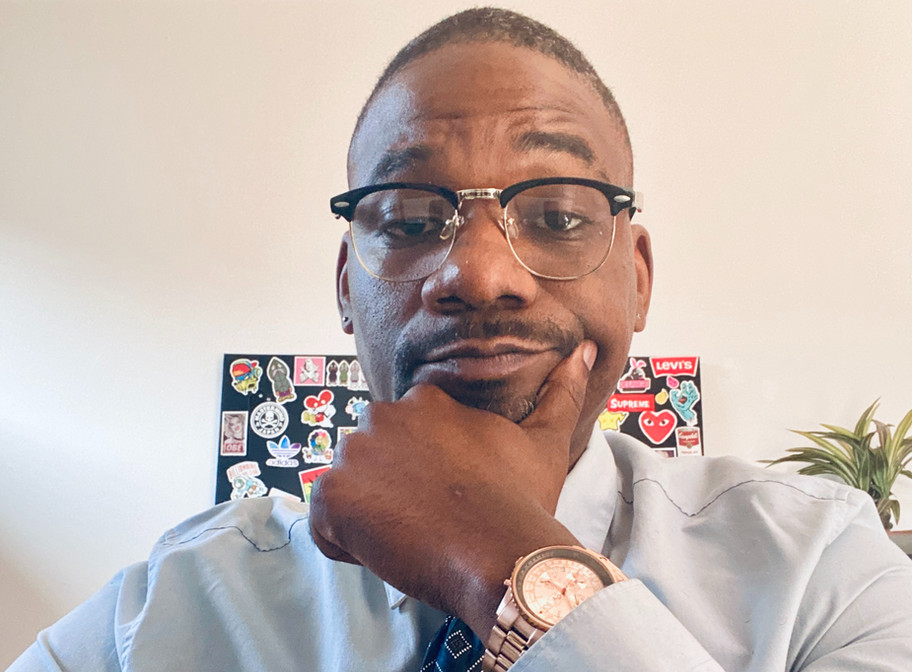
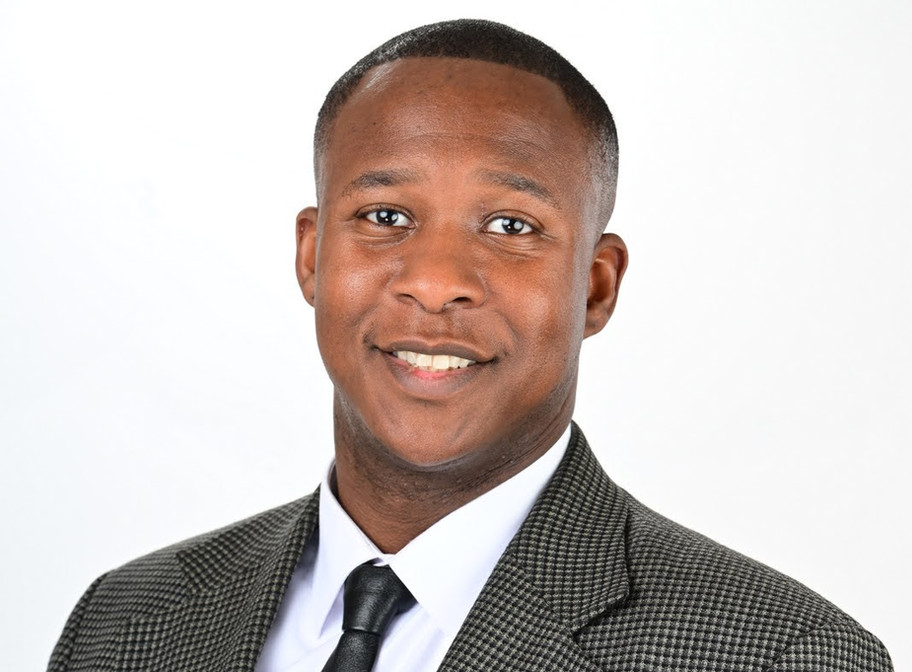
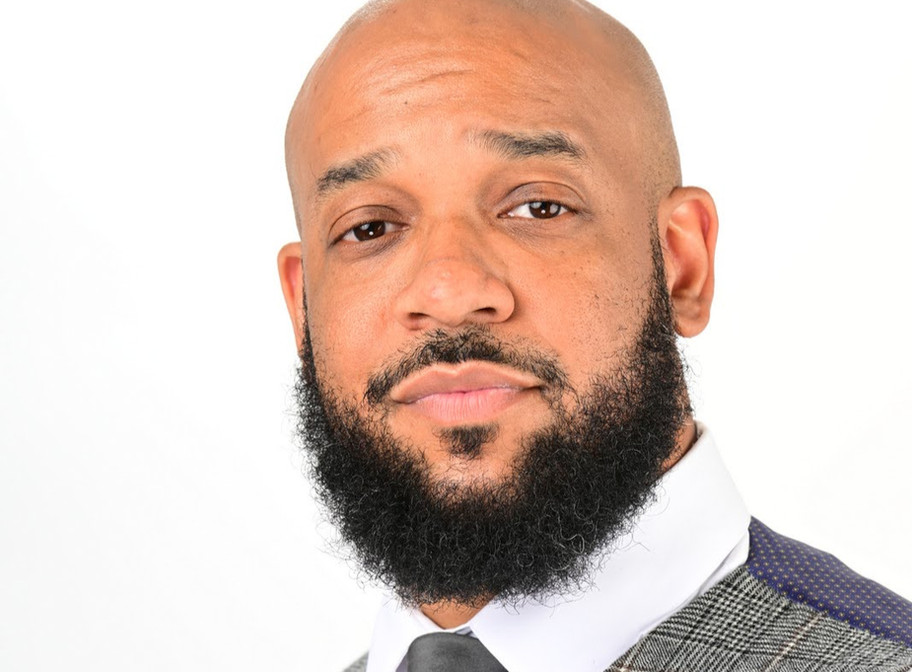
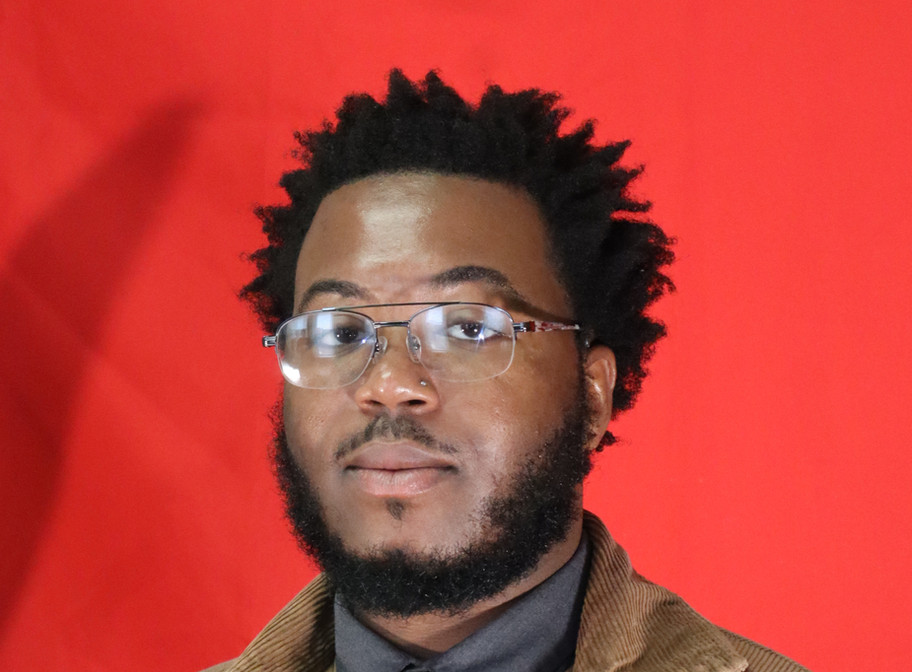
Our leadership reflects the communities we serve — accomplished, credible, and reachable. Say hello.
The Bawabisi is how we affirm ourselves in our own image — Black love put into practice. Designed in 1989 by Dr. Cleo Manago and associates, it fuses the Nigerian Nsibidi glyph for love with the West African Adinkra symbol for change, and was made to represent Black people across the full range of sexual and gender expression — including same-gender-loving (SGL) brothers and those of gender variance.
Two facing semi-circles carry unity and love. The figure is split symmetrically — parts of a whole that mirror each other. Dots, as in Adinkra, mean commitment and pluralism; the split and dots, with color, evoke gender. The encompassing circle insists on connectedness despite duality — the idea of two-spirited made visible.
Explore the framework at the heart of our work, or see the programs where the work becomes brotherhood.